Teen Signal
- Student Leader - Xueying Ding (Age 17) - based in MA

- 1 day ago
- 3 min read
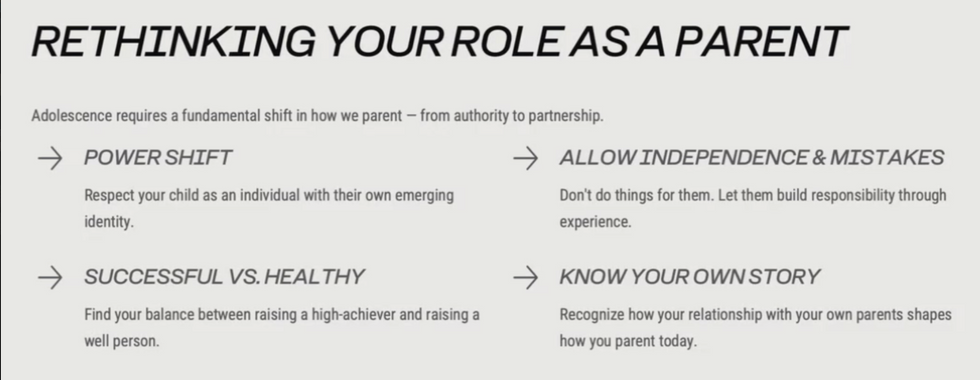
I was invited to attend NIF’s Teen Signal workshop last Thursday to write a blog about it, and it was an interesting experience. Overall, the main takeaway from it can relate to treating kids (and especially teenagers) as people. While it might seem simple in theory, I think that society has had a longstanding issue with viewing kids as property or with less rights (Rome's Pater Familias laws, Howard Dully receiving a lobotomy at 12, Why Children Believe They Are Owned - PMC). Around this time is when we start developing as people, becoming more independent. Worldviews expand to be more than just family, and the brain goes through the process of synaptic pruning as it optimizes the remaining "useful" connections. As the brain remodels, the ability to understand abstract concepts (consider; quantum mechanics) grows and develops alongside an increase in self
consciousness. Social issues and peer pressure can feel all consuming, as if no other issue could hold a candle to it. This is in part because the amygdala matures faster than the prefrontal cortex. The amygdala handles emotions such as fear, and because it matures faster, it typically has more control. However, this isn’t a reason to deny agency. Why? The prefrontal cortex, which handles impulses and emotional regulation, doesn’t mature until 20s or even 30s. At 18, nothing magically happens that makes people legally considered adults suddenly the epitome of maturity, because it’s a slow process that starts in the teen (and pre-teen) years. Independence and responsibility develop slowly and through experience, which is why it’s so important that teens are allowed to have autonomy over their lives (within reason. So no getting a pet tiger on a whim.) and make their own mistakes. As much as parents may want to prevent them from ever having any mistakes, messing anything up, it’s a crucial process to develop the ability to make independent decisions. The amygdala at this time can also lead to both being increasingly empathetic and caring about global issues while sometimes seeming selfish or self centered in other parts of life. This also may mean that they start developing their own political views that don’t always align with that of their parents. Something else important is to allow them to choose their own priorities in life. For example, a lot of Asian families heavily value education, but not everyone wants to go on to become a doctor. Some people might have aspirations that lie outside of careers requiring high amounts of education, and it’s not the end of the world if they don’t want to take all of the most advanced classes they can. It’s also important that parents don’t project or to try and live out their own aspirations in their children, as that doesn’t allow for them to become their own person and become a happy and well adjusted adult. Another interesting thing mentioned is the idea of generational trauma, and how that can negatively affect the parent-child relationship, and it’s extremely important that parents are aware of how their own childhood experiences may influence their own parenting styles to hopefully stop the cycle of generational trauma that may be present. She also gave a myriad of suggestions for effective communication, such as:
- Ask questions, don’t tell them how they are feeling because maybe they don’t feel that way
- “Because I said so” is not a valid reason
- Use conversation that includes them in the choices, not ones that make them feel as if they have no control over their life
- Try to keep things calm and non confrontational
- Don’t let personal insecurities get in the way of communication
- Don’t make issues into a power struggle
- Seek counseling
This is only a small part of all the content presented, but I hope it was interesting!